
Kraków, Polska

Interdisciplinary Bioeconomy Studies

II stopnia
Spis treści
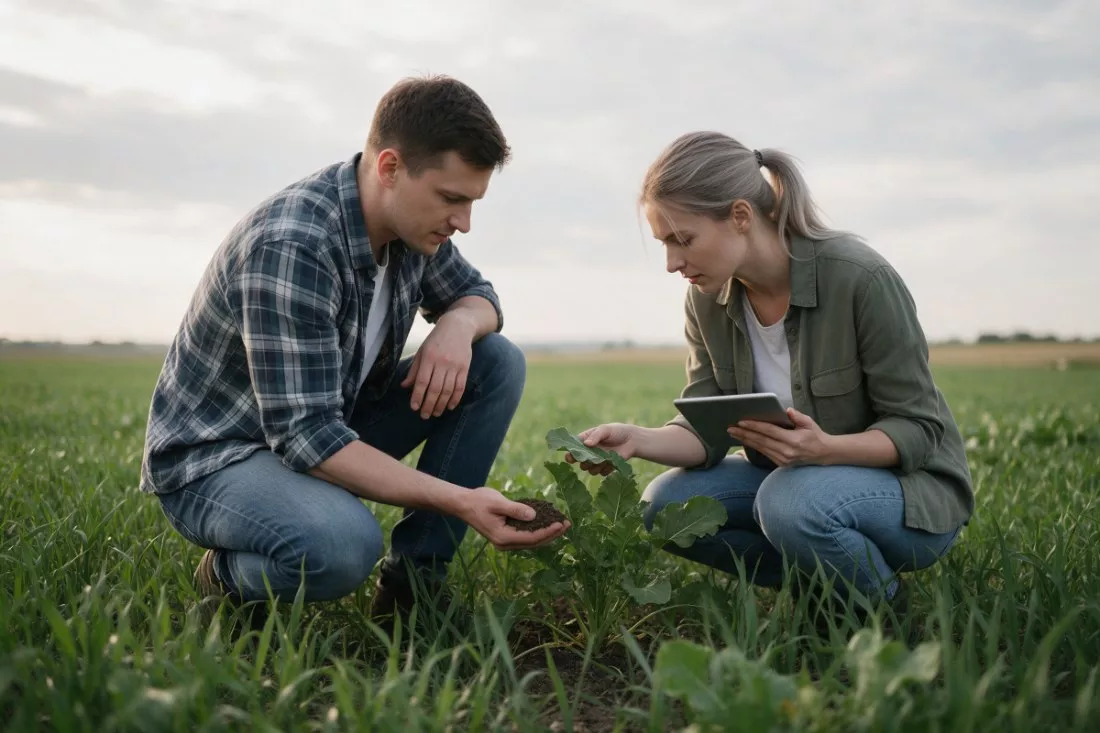
studenci-badaja-uprawy-na-polu

⇑Interdisciplinary Bioeconomy Studies na URK

Język wykładowy: angielskiStudia w języku angielskim
Grupa kierunków: humanistyczne
System studiów: sta­cjo­nar­ne

⇑Why study Interdisciplinary Bioeconomy Studies (Master's) at URK?

dlaczego-warto-studiowac-na-URK
Why study it:

The University of Agriculture in Krakow (URK) runs Interdisciplinary Bioeconomy Studies (IBS) as full-time Master's studies in English at the Faculty of Agriculture and Economics – 4 semesters (2 years) ending with an MA degree. The programme is for students who want to help the economy move away from non-renewable resources and towards a low- or zero-emission model built on biological raw materials.

Programme: three blocks of the circular bioeconomy

At the heart of the studies is the circular bioeconomy – replacing conventional refinery products with biorefinery alternatives and using biological raw materials in a cascade. The curriculum is built around three thematic blocks:

  • socio-economic context – the economic and social landscape of the circular bioeconomy, principles of production, industrial operations and project execution
  • circularity context – the circulation of materials in the economy and the environment, from sustainable primary production through biotechnological biomass processing to nutrient recovery
  • in-depth production context – processes and methods of converting biomass into non-food goods such as bioplastics, biofuels and cosmetics

Languages: studies in English

The whole programme is taught in English – it is part of the URK Study in English offer of Master's studies.

After graduation: consulting, value chains and sustainable development

Graduates know the production processes of the bioeconomy and understand their economic context, both for the economy as a whole and for individual companies.

By choosing optional courses, you shape your own professional profile. The paths described by URK lead towards consulting, designing value chains in the bioeconomy, working for institutions implementing sustainable development policies and for NGOs, as well as towards the production and processing of biological resources.

Did you know? Design Thinking workshops are a mandatory part of the programme – the studies put emphasis on creative thinking.

As of the 2026/27 admissions, based on the programme page at urk.edu.pl.
⇑Test: sprawdź czy Interdisciplinary Bioeconomy Studies to kierunek dla Ciebie

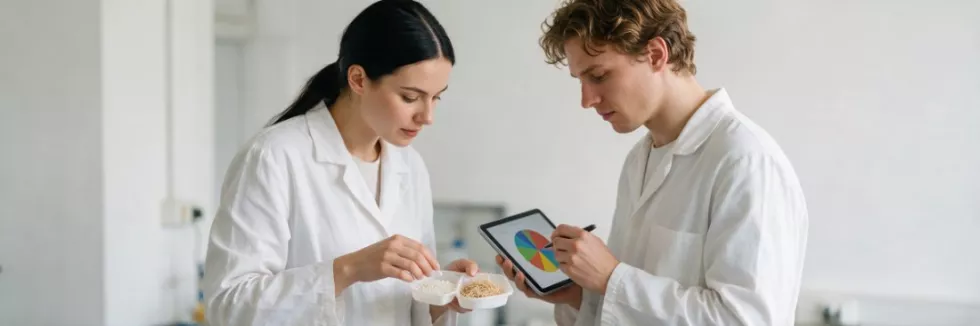
badacze-ogladaja-probki-bioplastiku-i-wlokien-roslinnych

10 pytań · dwie minuty

1. Słyszysz o przetwarzaniu odpadów rolniczych na biomateriały i biopaliwa. Co Cię w tym najbardziej ciekawi?

2. Kierunek łączy nauki przyrodnicze, technologię, ekonomię i politykę. Jak się w tym odnajdujesz?

3. Masz ocenić, czy budowa biorafinerii w danym regionie ma sens. Co bierzesz pod uwagę?

4. Zajęcia, raporty i debaty o polityce klimatycznej będą po angielsku, a projekty zrealizujesz z osobami z różnych krajów. Jak to oceniasz?

5. W zespole projektowym biolog, ekonomistka i inżynier nie potrafią się porozumieć. Jaką rolę przyjmujesz?

6. Jak śledzisz tematy takie jak gospodarka o obiegu zamkniętym czy zrównoważone rolnictwo?

7. Ktoś twierdzi, że każdy produkt z surowców biologicznych jest automatycznie ekologiczny. Jak reagujesz?

8. Jaki temat pracy magisterskiej najbardziej Cię kusi?

9. Gdzie widzisz się po studiach?

10. Co najbardziej motywuje Cię do studiów magisterskich na kierunku Interdisciplinary Bioeconomy Studies?

Kontakt:

Al. Mickiewicza 21
31-120 Kraków
tel. 12 662 43 34
Informator dla kandydatów na studia

Wiadomości:

Polityka Prywatności