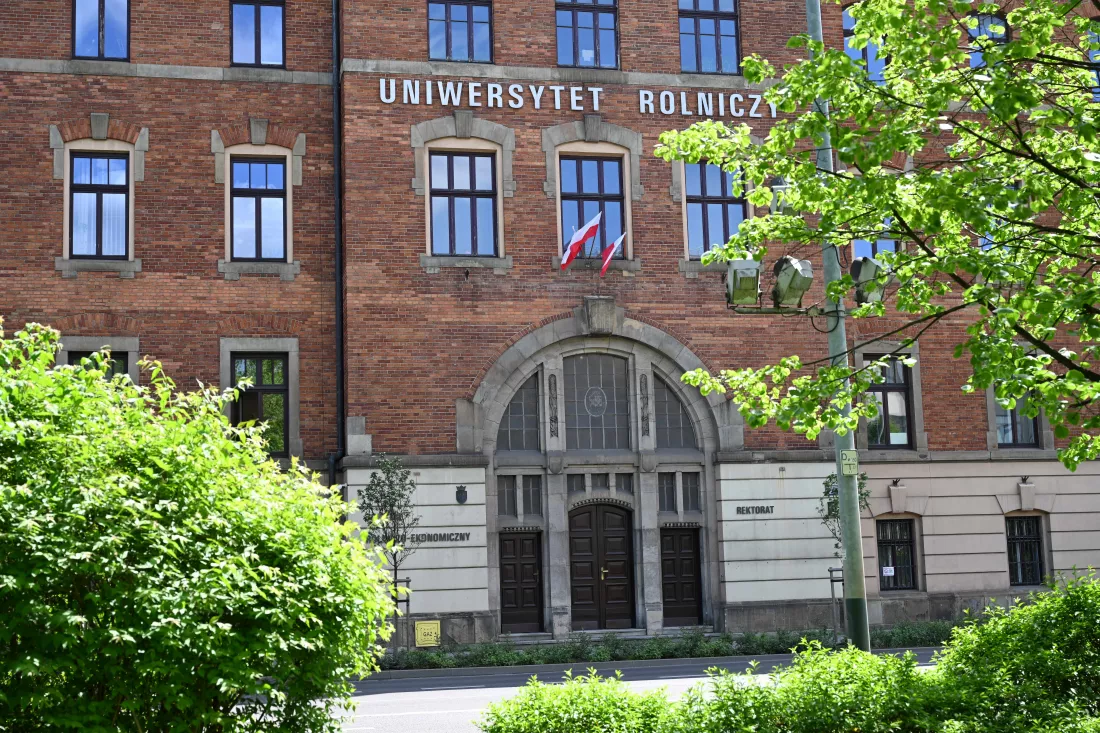
Kraków, Polska

Environmental and Plant Biotechnology

II stopnia
Spis treści
stefan-steinbauer-YyWu19ab4_M-unsplash

⇑Environmental and Plant Biotechnology na URK

Język wykładowy: angielskiStudia w języku angielskim
Grupa kierunków: fizyczne, środowisko
System studiów: sta­cjo­nar­ne

⇑Why study Environmental and Plant Biotechnology (Master's) at URK?

dlaczego-warto-studiowac-na-URK
Why study it:

The University of Agriculture in Krakow (URK) runs Environmental and Plant Biotechnology (EPB) as full-time, general academic Master's studies at the Faculty of Biotechnology and Horticulture – 3 semesters ending with the title of Master of Science in Engineering. The programme is for students who want to use biotechnology to monitor, protect and restore the environment and to work on plants with modern molecular tools.

Programme: from molecular biology to soil reclamation

The compulsory courses combine plant biotechnology with environmental protection, among others:

  • molecular biology, genetic engineering and plant and microbial proteomics
  • physiology of stress in plants and crop improvement
  • ecotoxicology, soil chemistry and microbiology, instrumental analysis
  • bioremediation and soil reclamation, restoration ecology of post-industrial sites
  • biotechnology of water, sewage and activated sludge, waste management
  • environmental protection policy and intellectual property, ethics in biotechnology

Labs: your own experimental research

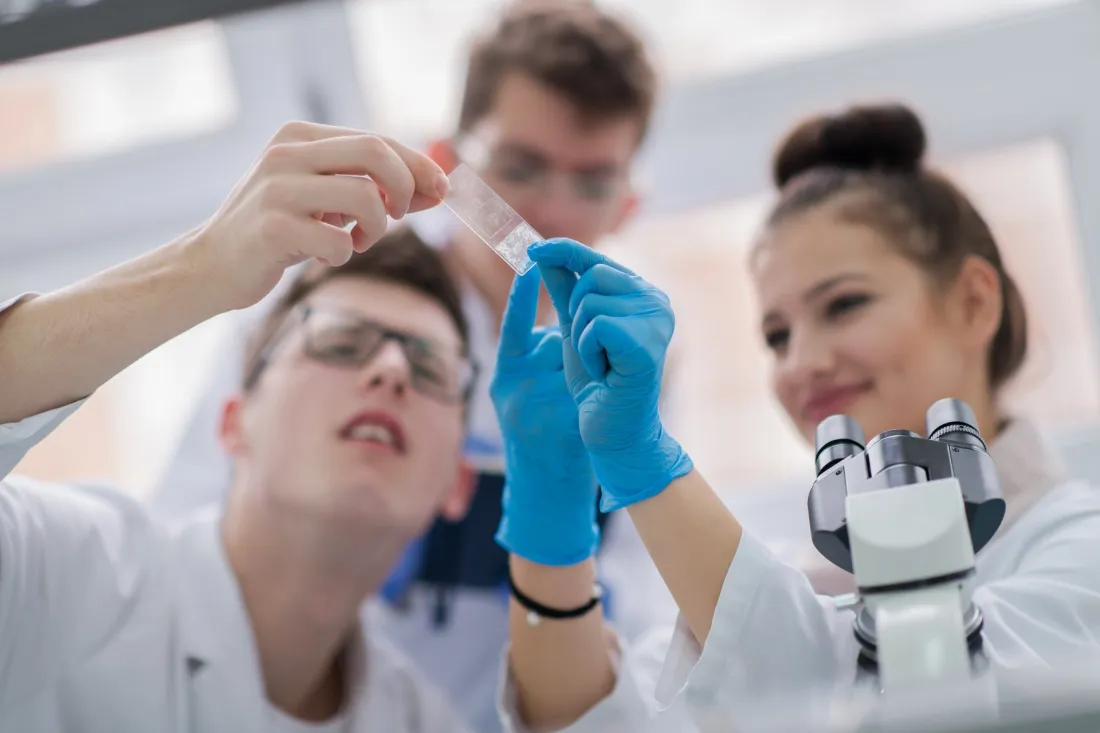
The emphasis is on practical skills, problem solving and independent work in laboratories with modern equipment and current techniques of plant and environmental biotechnology. You learn to choose and adapt microbiological, biochemical, molecular and bioinformatic analyses, as well as physico-chemical analyses of soil, water and sewage. Each student carries out their own experimental research, which can take place at URK, at another scientific institution or at a selected company.

Languages: English in an international group

All classes are taught in English in international groups, which prepares you for further education or work anywhere in the world.

Qualifications: analyst, diagnostician, inspector

The knowledge and specialist skills gained during the studies allow graduates to obtain the professional qualifications needed to work, for example, as an analyst, diagnostician or inspector in analytics and diagnostics applied in plant breeding and waste management. You also learn the legal and ethical aspects of using biotechnology in research and business.

After graduation: laboratories, research and environmental advisory

Graduates can work in Poland and abroad, among others:

  • in companies using agrobiotechnology and bioprocesses for environmental protection
  • in microbiological, biochemical and molecular analytical and diagnostic laboratories
  • in research and R and D institutes and advisory units
  • in state and local government administration dealing with biotechnology and intellectual property
  • as consultants to industry, farmers, investors and policy makers – or in their own business

Did you know? Besides biotechnology courses, the programme includes a humanities course on the culture, art and tradition of the region and an introduction to geomatics.

As of the 2026/27 admissions, based on the programme pages at urk.edu.pl and oferta.urk.edu.pl.

⇑Test: sprawdź czy Environmental and Plant Biotechnology to studia dla Ciebie!

manel-marco-sBn1aUoyOxw-unsplash

Odpowiedz na wszystkie pytania i sprawdź, czy Environmental and Plant Biotechnology to studia dla Ciebie!

1. Czy interesuje Cię wykorzystanie mikroorganizmów do bioremediacji środowiskowej?

2. Czy chciałbyś/łabyś rozwijać umiejętności w inżynierii roślin odpornych na stresy środowiskowe?

3. Czy zależy Ci na projektowaniu procesów biotechnologicznych do produkcji bioetanolu i innych biopaliw?

4. Czy jesteś gotów/gotowa na badania nad metabolizmem roślinnym i produkcją związków bioaktywnych?

5. Czy planujesz rozwijać umiejętności w hodowli komórkowej i kulturach tkankowych roślin?

6. Czy interesuje Cię projektowanie bioreaktorów do procesów fermentacji roślinnej?

7. Czy chciałbyś/łabyś wykorzystywać narzędzia inżynierii genetycznej (CRISPR, RNAi) w roślinach?

8. Czy jesteś gotów/gotowa na ocenę efektywności biologicznych metod oczyszczania gleby i wody?

9. Czy chciałbyś/łabyś współpracować z ekologami, agronomami i inżynierami środowiska?

10. Co najbardziej motywuje Cię do podjęcia studiów II stopnia na kierunku Environmental and Plant Biotechnology?

Kontakt:

Al. Mickiewicza 21
31-120 Kraków
tel. 12 662 43 34
Informator dla kandydatów na studia

Wiadomości:

Polityka Prywatności