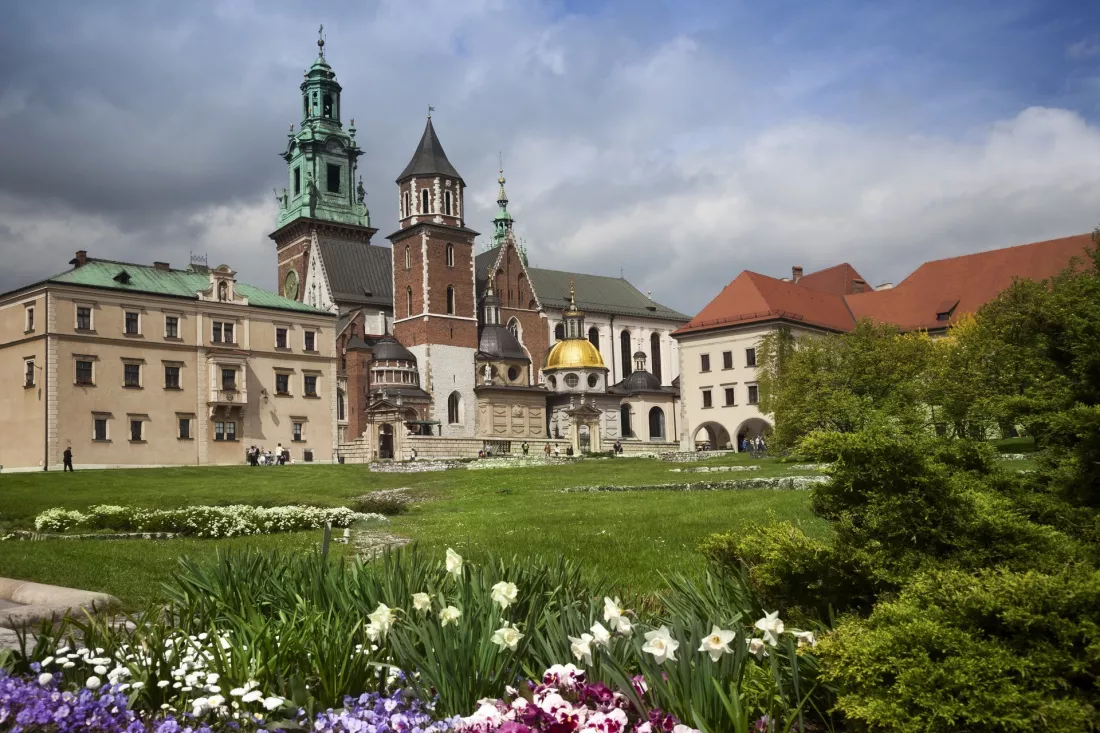

Kraków, Polska

Philosophy, Ethics and Religion
(kierunek: Filozofia)

II stopnia
Spis treści
studenci-filozofii-i-religioznawstwa-czytaja-dawne-ksiegi-w-bibliotece

⇑Philosophy, Ethics and Religion na UPJPII

Kierunek: Filozofia
Język wykładowy: angielskiStudia w języku angielskim
Grupa kierunków: humanistyczne
System studiów: sta­cjo­nar­ne

⇑Why choose the Philosophy, Ethics and Religion specialisation at UPJPII?

dlaczego-warto-studiowac-na-UPJPII
Why study it:

Philosophy, Ethics and Religion is an English-taught specialisation within the Filozofia (Philosophy) degree at the Pontifical University of John Paul II in Krakow (UPJPII) – a two-year, full-time second-cycle (MA) programme run by the Faculty of Philosophy for both Polish and international students. It suits philosophy graduates as well as graduates of other fields, since every student is given a solid philosophical foundation and an overview of current philosophical, religious and scientific debates.

Programme: Christian philosophical tradition and today’s debates

The programme explores fundamental questions of life and existence, rooted in the Christian philosophical tradition. You study ethics, epistemology and the nature of reality, the major philosophical schools of thought, and the major religious traditions with their historical, cultural and philosophical roots. Contemporary problems are always on the table: truth, justice, equality and human rights, technology and AI, consumer choices, bioethical and environmental issues.

Mandatory courses include Ethical Thought from Antiquity to the Era of Enlightenment, Contemporary Debates in Philosophy of Religion, Philosophy of Karol Wojtyła, Rhetoric and Art of Argumentation, Professional Ethics and Ethics in Economic Life, Russian Religious Philosophy and Teaching Philosophy. A weekly Academic Seminar supports you in writing your Master’s thesis, and monographic lectures – with new topics every year – reflect the current research of faculty members.

Languages: philosophy discussed in English

All courses are taught entirely in English, so you learn to discuss philosophy and express yourself in spoken and written English – a good basis for an academic career in the field or for translating philosophical literature.

Qualifications: a degree equivalent to a Licentiate

The MA degree obtained at UPJPII in this programme is equivalent to a Licentiate. This gives graduates the qualifications to teach in church institutions. Teaching Philosophy is one of the mandatory courses, so the didactic side of the subject is part of the curriculum.

After graduation: academia and far beyond it

Graduates are not limited to academic careers:

  • doctoral studies in philosophy – the programme encourages you to join the international community of scholars,
  • further study in theology, law or psychology,
  • careers in law, education, journalism, government and the non-profit sector,
  • work as a financial, ethical or environmental analyst, human rights expert or social media coordinator,
  • creative writing, research and translation of philosophical literature.

Did you know? The studies are planned to balance work and education, so you can pursue your career while studying.

As of the 2026/27 admissions, based on the programme page at rekrutacja.upjp2.edu.pl and the UPJPII recruitment brochure.

⇑Test: sprawdź czy Philosophy, Ethics and Religion to kierunek dla Ciebie

dwoje-studentow-filozofii-dyskutuje-przy-stole-seminaryjnym

10 pytań · dwie minuty
1. Na seminarium ktoś twierdzi, że moralność to wyłącznie kwestia kultury i nie da się jej racjonalnie uzasadnić. Jak reagujesz?

2. Masz porównać, jak dwie różne tradycje religijne rozumieją cierpienie. Od czego zaczynasz?

3. Komisja etyczna prosi Cię o analizę trudnego przypadku, np. decyzji o zakończeniu terapii. Jak się do tego zabierasz?

4. Seminaria, lektury i prace pisemne będą po angielsku, a w grupie spotkasz osoby z różnych tradycji religijnych i kulturowych z wielu krajów. Jak to oceniasz?

5. Promotor proponuje Ci lekturę trudnego, klasycznego traktatu w całości, a nie we fragmentach. Co o tym myślisz?

6. Na konferencji studenckiej przedstawiciele dwóch wyznań ostro się spierają, a Ty prowadzisz panel. Co robisz?

7. Czytasz o algorytmach, które pomagają decydować, komu przyznać kredyt. Co Cię w tym zastanawia?

8. Jak wyglądała Twoja praca nad dłuższym tekstem, np. pracą dyplomową na studiach I stopnia?

9. Gdzie widzisz się po studiach?

10. Co najbardziej motywuje Cię do studiów magisterskich na kierunku Philosophy, Ethics and Religion?

Kontakt:

ul. Kanonicza 25
31-002 Kraków
tel. Polacy 519 323 359
Foreigners: +48 12 88 98 617


Wiadomości:

Polityka Prywatności