
Warszawa, Polska

Restoration and Management of Environment
(kierunek: Environmental Protection)

II stopnia
Spis treści
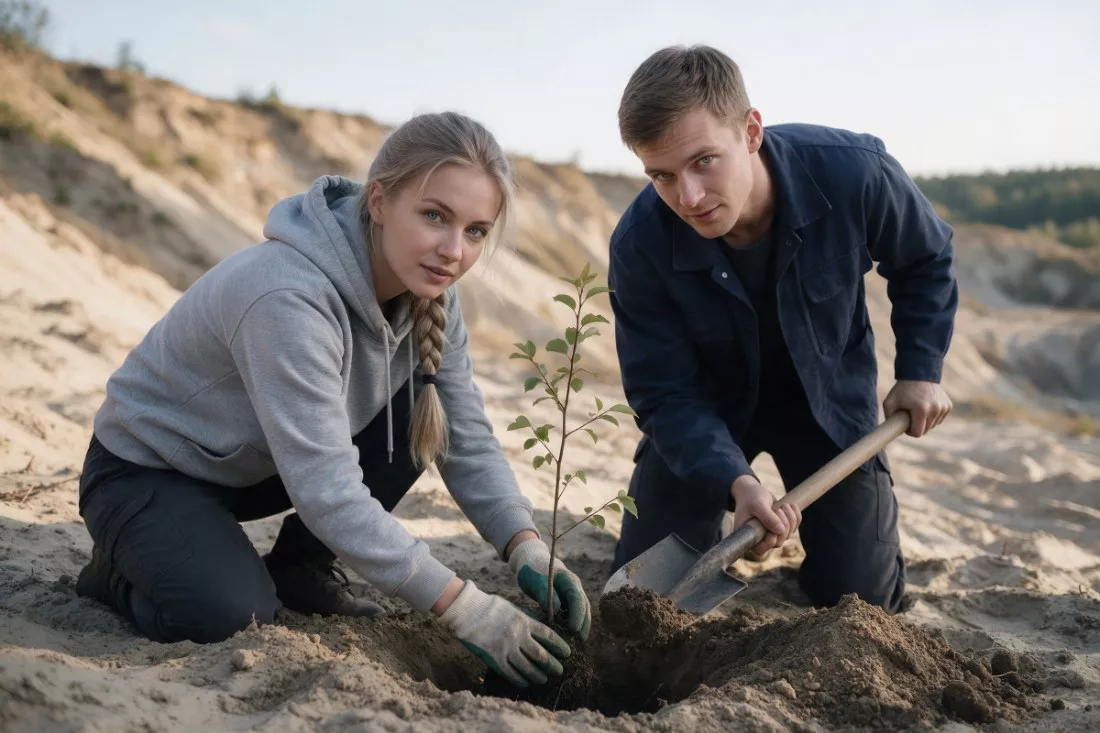
studenci-sadza-mlode-drzewa-na-rekultywowanym-terenie

⇑Restoration and Management of Environment na SGGW

Język wykładowy: angielskiStudia w języku angielskim
Grupa kierunków: ekonomiczne, administracyjne
System studiów: sta­cjo­nar­ne

⇑Why choose the Restoration and Management of Environment specialisation at the Warsaw University of Life Sciences – SGGW?

Dlaczego warto studiować w Szkole Głównej Gospodarstwa Wiejskiego w Warszawie
Why study it:

Restoration and Management of Environment is a specialisation within the Environmental Protection programme at the Warsaw University of Life Sciences – SGGW, taught in English as part of a 1.5-year Master's degree. It suits you if you want to repair damaged ecosystems and manage land and water, not only describe the problems.

Programme: remediation and restoration across three semesters

The specialisation runs through the whole programme as a block of subjects, together with two diploma seminars devoted to it. In the first semester you can choose bioremediation, soil hazard, pollution and protection, or contemporary challenges in wetlands restoration. Later come environmental stress and plants, phytoremediation of air pollution, nature-based solutions and the ecological base of nature conservation. In the final semester the electives turn to ecological engineering for environmental protection, hydrogenic soils, and land and water conservation.

Specialisation: case studies and agricultural landscapes

The elective list also invites you to work on practical themes, such as:

  • Case study of environmental protection,
  • Ecological infrastructure in agricultural landscapes,
  • Climate change and environment,
  • Databases and programming.

After graduation: environmental institutions and consulting

Graduates look for work in public administration, environmental protection and water management funds, consulting companies, design offices, industrial plants and research institutes.

Based on the programme pages at sggw.edu.pl and the SGGW syllabus.

Aktualizacja: 05.11.2026
⇑Test: Is Restoration and Management of Environment the right fit for you?

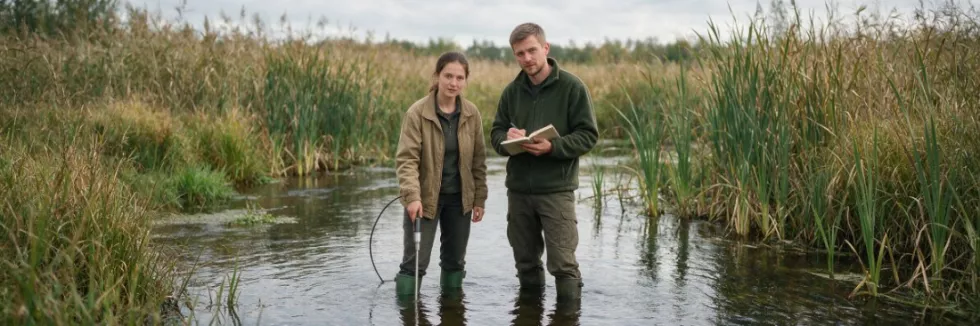
ecologists-measuring-water-quality-in-a-restored-wetland

10 questions · two minutes
1. You’re asked to draw up a restoration plan for a former gravel pit. Where do you start?

2. Fieldwork means working in rain, mud and at the crack of dawn. How do you feel about that?

3. How do you work with spatial data?

4. Farmers object to restoring a wetland next to their land. What do you do?

5. Classes, field trips and reports will all be in English, in an international environment with people who know very different ecosystems. How does that sound?

6. A year after planting, a large share of the plants haven’t taken. How do you respond?

7. An invasive species turns up on a meadow you’re restoring. What do you do?

8. You need to put together a funding application for a habitat restoration project. How do you approach it?

9. Where do you see yourself after graduating?

10. What motivates you most to pursue a Master’s degree in Restoration and Management of Environment?

Kontakt:

ul. Nowoursynowska 166
02-787 Warszawa
tel. (48 22) 59 31 000
dla kandydatów tel.:
22 59 386 91
22 59 386 92
22 59 386 93
e-mail: rekrutacja@sggw.edu.pl
Informator dla kandydatów na studia 2027/2028

Wiadomości:

Kursy przygotowujące do matury i na studia
Polityka Prywatności