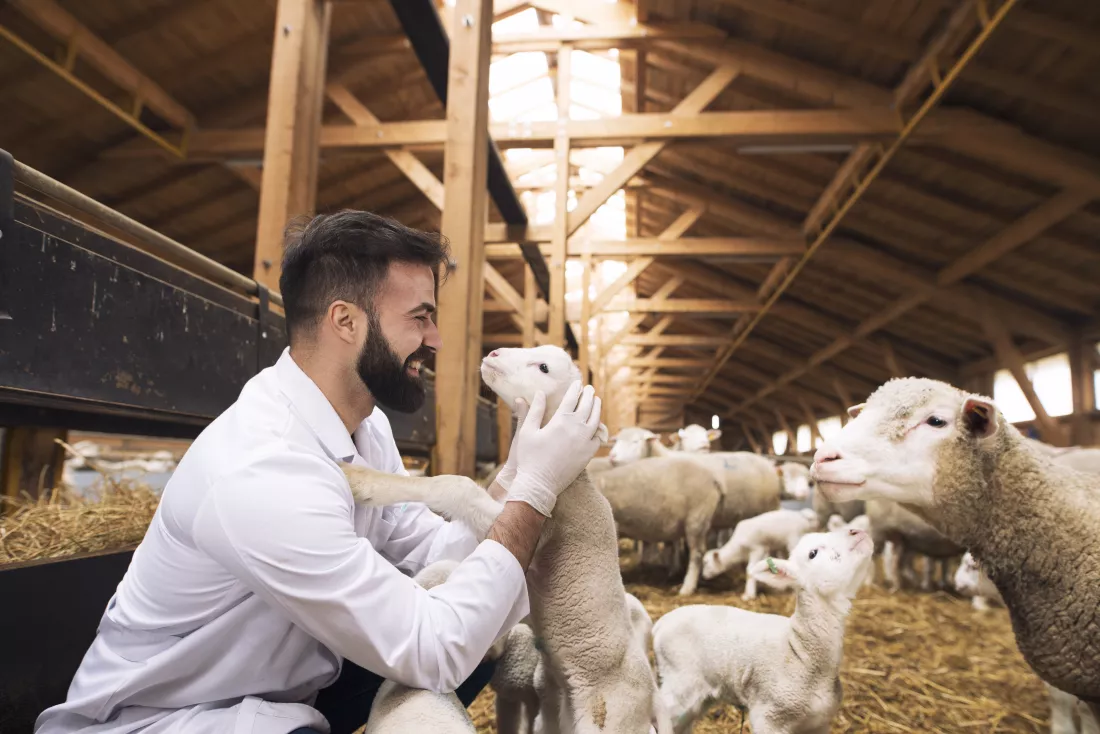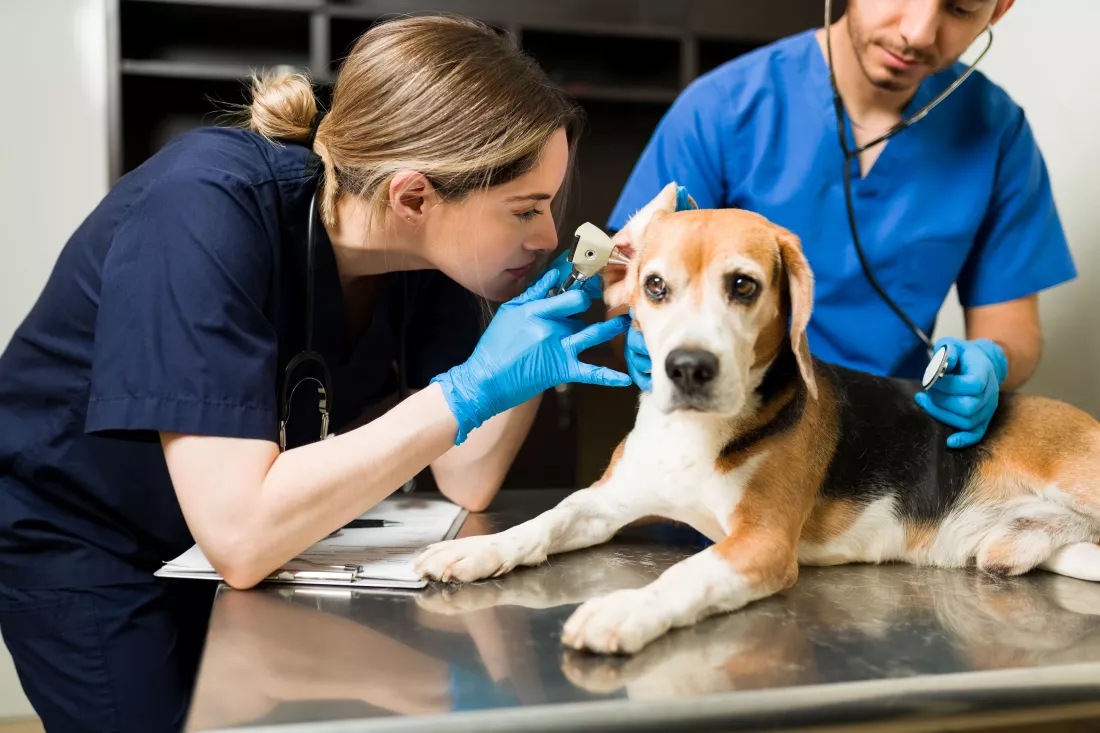


Veterinary Medicine at the Warsaw University of Life Sciences – SGGW is a long-cycle Master's programme taught in English. It lasts five and a half years (eleven semesters) and leads to the title of veterinary surgeon, so it suits you if you want to diagnose and treat animals and protect public health.
You start with basic subjects such as animal anatomy, histology and embryology, cell biology, chemistry, biochemistry and genetics. Then come preclinical subjects, including animal physiology, veterinary microbiology, immunology, pharmacology and parasitology. Later you move on to clinical courses: pathophysiology, pathomorphology, general surgery and anaesthesiology, diagnostic imaging of small and large animals, as well as diseases of farm animals, horses, dogs and cats. You also study toxicology, zoonoses and veterinary jurisprudence, and take Polish language classes alongside the main programme. The programme prepares you to recognise and interpret pathological changes, implement appropriate treatment and apply preventive programmes. Electives let you add topics such as One Health in veterinary practice, veterinary gerontology, primary cell cultures in veterinary research and advanced imaging techniques.
You can use the knowledge in practice in the university's teaching and research facilities, including:
Summer practice is part of the programme and includes husbandry practice, clinical practice and practice in the Veterinary Inspection, in a slaughterhouse.
Graduates find employment in veterinary clinics, the Veterinary Inspection and sanitary-epidemiological stations.
They also work in inspection, research and diagnostic laboratories, animal breeding stations, research institutions, zoos and pharmaceutical plants, as well as in the supervision of food production.
Did you know? Among the electives are Principles of dog handling and Principles of horse handling.
Based on the programme pages at sggw.edu.pl and the SGGW syllabus.
Aktualizacja: 05.11.2026
10 questions · two minutes

Stolica pełna możliwości
Warszawa, jako centrum polityczne, gospodarcze i kulturalne kraju, otwiera przed studentami nieograniczone szanse na nawiązywanie kontaktów oraz uczestnictwo w prestiżowych wydarzeniach. To miejsce, gdzie działalność instytucji publicznych i międzynarodowych organizacji tworzy unikalne środowisko sprzyjające rozwojowi zawodowemu.
Dynamiczny rynek pracy
Miasto przyciąga największe przedsiębiorstwa oraz innowacyjne startupy, co zapewnia dostęp do licznych praktyk, staży i projektów współpracy. Dzięki temu studenci szybko zdobywają praktyczne umiejętności, które przekładają się na dynamiczny start kariery zawodowej.
Bogata oferta kulturalna i rozrywkowa
Warszawa oferuje szeroki wachlarz wydarzeń kulturalnych, od koncertów i wystaw, po festiwale i spektakle. Ta różnorodność pozwala studentom nie tylko na relaks, ale również na rozwijanie zainteresowań i twórczego podejścia do życia poza uczelnią.
Międzynarodowy charakter
Spotkanie studentów i profesjonalistów z całego świata sprawia, że warszawskie środowisko naukowe jest wielokulturowe i otwarte. Ta globalna wymiana doświadczeń wzbogaca perspektywy edukacyjne i przygotowuje do pracy na arenie międzynarodowej.
Nowoczesna infrastruktura
Rozbudowana sieć transportowa, nowoczesne kampusy, centra naukowe oraz przestrzenie coworkingowe zapewniają komfortowe warunki do nauki i badań. Warszawa inwestuje w rozwój technologiczny, co umożliwia studentom korzystanie z najnowszych rozwiązań i zasobów miejskich.